Harbor Towns
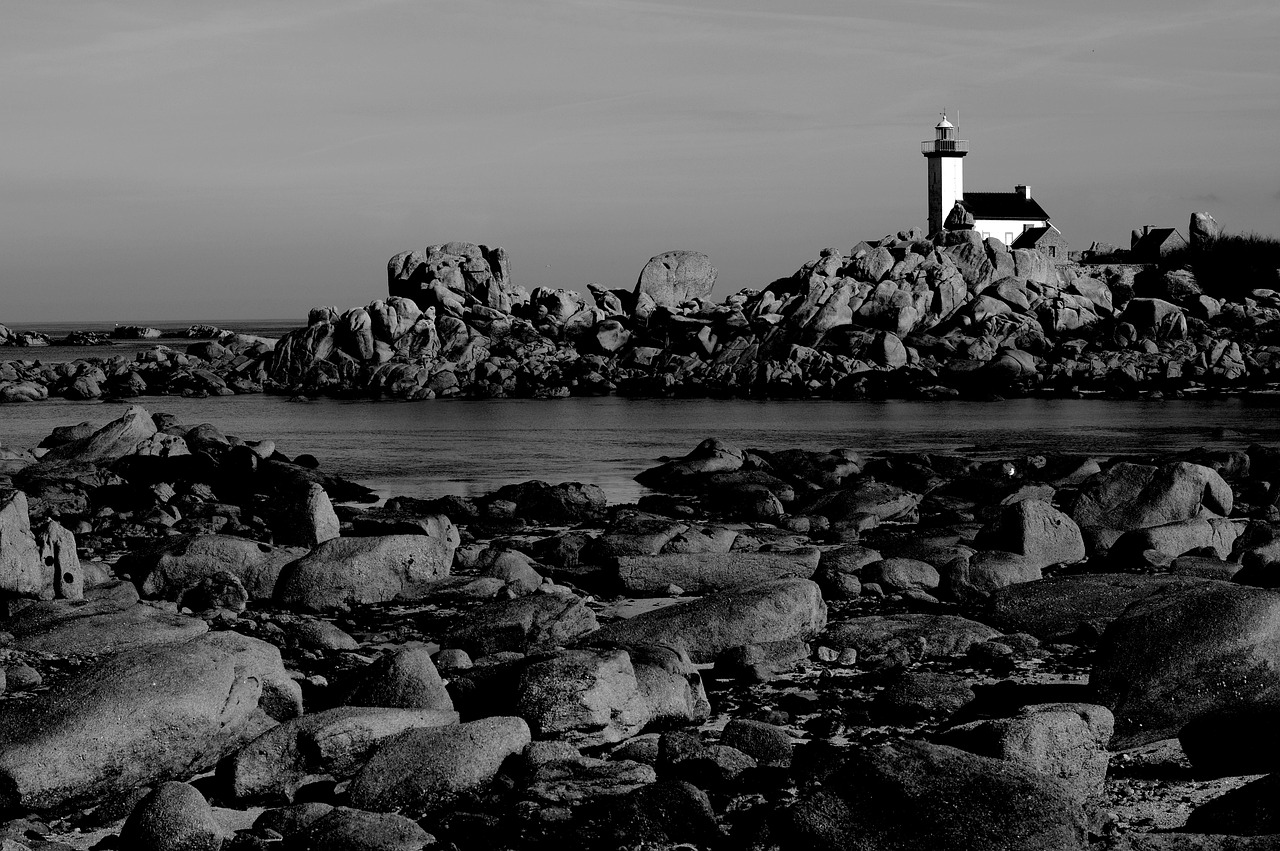
The French call the westernmost tip of Brittany Finistère—the end of the earth. It is not an exaggeration. The land narrows to a series of peninsulas and islands that face the open Atlantic with a kind of stubbornness, as if they have decided not to be eroded any further. The sea here is not a backdrop. It is a force, and the coast is its manuscript.
I walked a section of the GR34, the coastal path that traces the Breton shoreline for hundreds of kilometers. My route was modest—from the Pointe du Raz to the Pointe du Van, a stretch of maybe ten kilometers—but it was enough to understand why writers have been drawn to this coast for centuries. The landscape is dramatic without being picturesque. It is too raw for that. The cliffs are granite, the wind is relentless, and the gorse blooms yellow in the middle of winter as if to prove that beauty does not need comfort.
Brittany has its own language, Breton, which is a Celtic tongue related to Welsh and Cornish. It is a language of the sea, full of words for tides, currents, and weather that have no direct translation. The place names along the coast are a kind of poetry: Beg ar Raz, Pointe du Van, Baie des Trépassés—the Bay of the Departed, where the souls of drowned sailors were said to gather. You do not need to speak Breton to feel the weight of these names. They are written into the land itself.
The path follows the contours of the coast, dipping into small coves and climbing back up to the headlands. At the Pointe du Raz, the wind was so strong I had to lean into it to keep from being pushed backward. Below me, the sea was a chaos of whitecaps and spray, and the sound was not a roar but a steady, grinding pressure. This is not a coast that invites you to sit and reflect. It invites you to keep moving.
There is a long tradition of writers coming to Brittany to work. Flaubert, Hugo, and Stendhal all wrote about the region, and the Breton coast has a way of stripping away the unnecessary. The wind does not care about your adjectives. The sea does not care about your metaphors. What remains, after the weather has had its way with you, is something closer to the bone.
I finished my walk at the Pointe du Van, where a small chapel sits on the cliff, facing the sea. I sat inside for a while, listening to the wind against the stone, and I thought about how little I had written and how much I had seen. The coast does not need to be described. It needs to be walked. And if you are a writer, that walking is its own kind of drafting—a way of letting the landscape revise you.
