Literary Travel
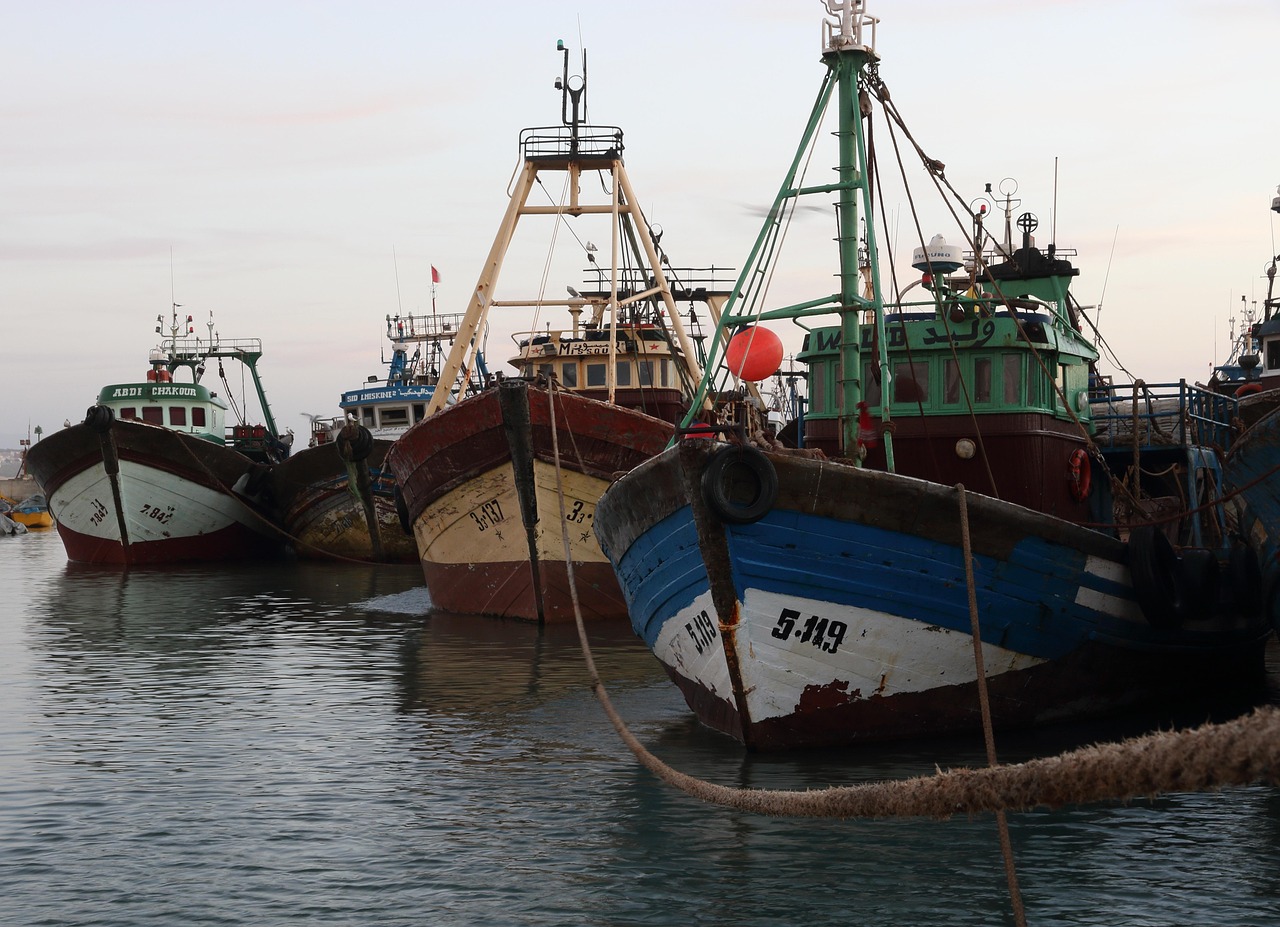
The first thing you notice about Essaouira is the wind. It comes off the Atlantic with a steady, insistent pressure, as if the ocean is trying to push the town back into the desert. The second thing you notice is the blue. Not the sea's blue—that is obvious—but the blue of the boats, the doors, the shutters, the fishing nets, a blue so specific it has its own name in the local vocabulary. This is a harbor town that has been painted, conquered, and rewritten so many times that its identity is less a single story than a palimpsest.
The Phoenicians called it Migdol. The Portuguese built the ramparts you still walk today. The French, the Berbers, the Sahrawi traders—everyone left something behind. But it was the writers who arrived in the 1960s and 1970s who gave Essaouira its literary afterlife. Jimi Hendrix may or may not have spent time here (the stories are generous with the truth), but Orson Welles filmed Othello on these ramparts, and the town has been attracting creative exiles ever since.
The Skala de la Ville is the old Portuguese fortification that curves along the waterfront, its stone walls pocked by salt spray and centuries of cannon fire. Cannons still point out to sea, though they are now mostly perches for gulls. I walked the rampart at dusk, when the fishing boats were returning and the light turned the whole harbor into a copper plate. Below me, men were unloading sardines, their shouts carried up by the wind in fragments. Above me, the sky was doing something extravagant with orange and violet.
This is a working harbor, not a museum piece. The fish auction happens every afternoon, and if you stand at the edge of it, you will see a kind of theater that has been performed here for centuries: the shouting, the hand gestures, the rapid calculation of worth. It is maritime culture in its most immediate form, and it is far more compelling than any plaque or monument.
Writers have long been drawn to places where the elements are stronger than the architecture. Essaouira is that kind of place. The wind never stops, and neither does the conversation between the town and the sea. I stayed in a riad near the ramparts, and every morning I woke to the sound of rigging slapping against masts—a sound that is, if you listen closely, a kind of metronome for the writing life. Steady. Insistent. Indifferent to whether you are paying attention.
I left Essaouira with sand in my shoes and a notebook full of half-finished sentences. The wind had taken the rest. That felt appropriate. Some harbors are meant to be read; this one is meant to be written in, and then forgotten, and then written again.
