Coastal Essays
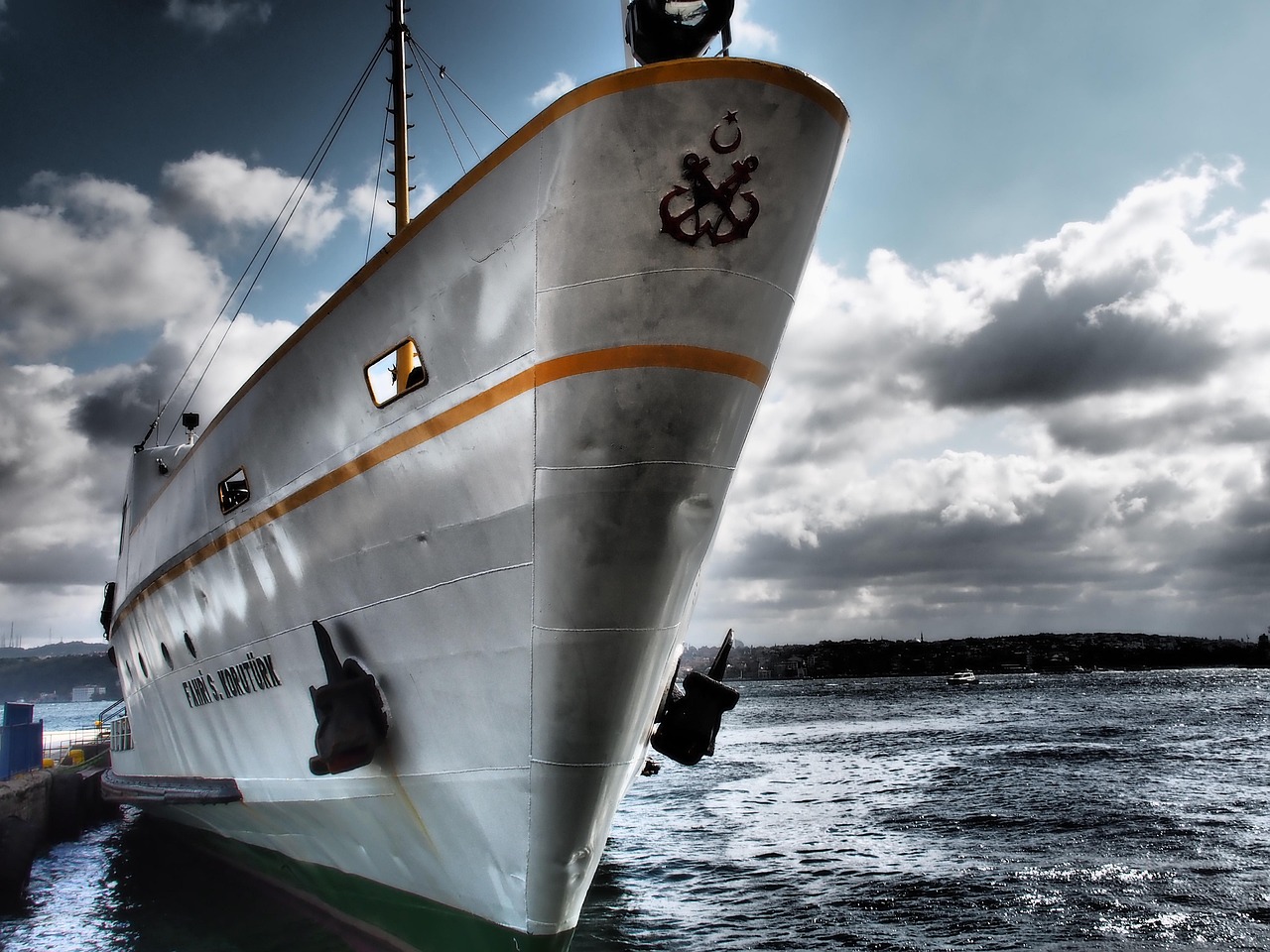
Port Townsend sits at the northeast tip of the Olympic Peninsula, where Puget Sound meets the Strait of Juan de Fuca. In the late 19th century, it was expected to become the largest port on the West Coast—a rival to San Francisco, a gateway to the Pacific. Then the railroad chose Tacoma instead, and Port Townsend became a ghost town before it ever became a city. The Victorian buildings remained. So did the harbor. And so, eventually, did the writers.
Today, Port Townsend is a town of about ten thousand people, but it has more than its share of bookstores, coffee shops, and residents who make their living—or try to—by putting words on paper. The town has a literary reputation that feels both earned and slightly accidental, as if the silence left behind by the railroad was exactly the kind of silence writers need.
The Port Townsend boatyard is one of the few remaining working boatyards on the West Coast. It is also, if you pay attention, a kind of open-air classroom. Wooden boats are hauled out on the railway, their hulls exposed like the pages of a book. Shipwrights move around them with tools and caulking irons, and the smell of tar and varnish hangs in the air. I spent an afternoon there, watching a man named Caleb repair the keel of a 1930s sloop. He worked with the concentration of a poet revising a line, and when I asked him about it, he said, "You have to listen to the wood. It tells you what it needs."
That is the kind of advice that applies equally to boats and sentences. The boatyard is not a metaphor—it is a place where things are made and remade, and it has a way of reminding you that writing is also a craft, not just an inspiration.
Port Townsend's literary identity is not loud. There is no famous novel set here, no plaque commemorating a great poet's stay. Instead, there is a steady, unglamorous commitment to the writing life. The town has a writers' conference, a poetry festival, and a bookstore—William James Bookseller—that feels like it has been there forever. It has not, but it feels that way, which is the point.
I left Port Townsend with a notebook full of observations and a sense that I had found a place where the harbor and the library are not separate things. The water is always visible, even when you are inside. The boats are always being repaired. The sentences are always being revised. It is a town that understands that a harbor is not just a place where ships come in, but a place where stories do too.
