Literary Pilgrimages
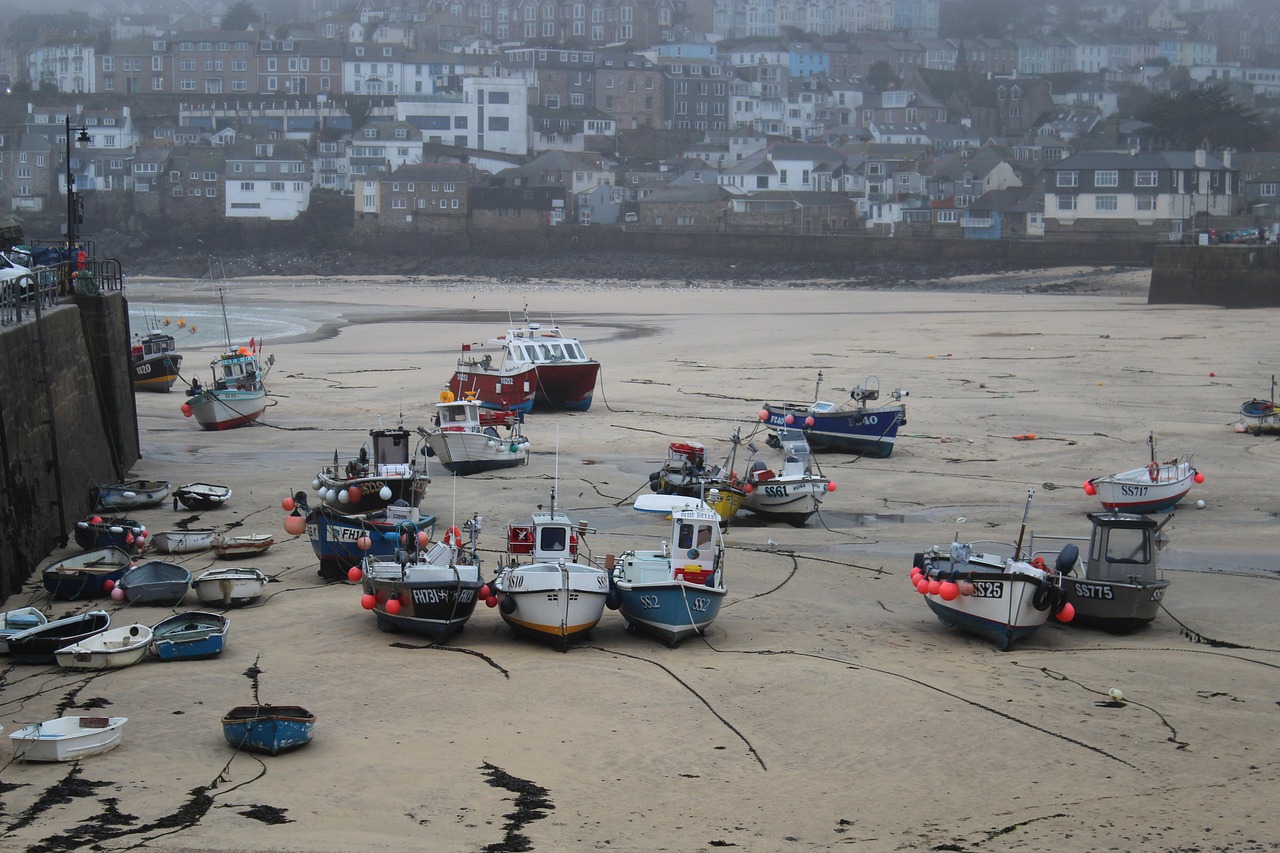
The harbor at St. Ives in January is not a place for postcards. The gulls are louder than the tourists, the fishing boats tilt on their moorings like tired old men, and the light—that famous, difficult light—arrives sideways, silver and cold, as if it has been dragged over the Atlantic for days just to reach this small Cornish toehold. I came here with a notebook and a vague notion of writing about the sea. Instead, I spent the first hour doing nothing but watching the tide work its slow arithmetic against the harbor wall.
St. Ives has always been a town that pulls artists and writers toward its edges. The painters came first in earnest—the Newlyn School, then the modernists, then everyone else—but the writers came too, drawn by the same thing: a coastline that refuses to sit still. Virginia Woolf summered here as a child, and you can feel the imprint of that in her early diaries, where the sea is not scenery but a character. The town itself is a maze of narrow streets that seem designed to make you lose your sense of direction and, with it, your sense of hurry.
On the western side of the harbor, past the lifeboat station, there is a small stone bench that faces the open water. I sat there for most of a morning, reading a battered copy of To the Lighthouse and occasionally looking up to check that the sea was still there. It was. The book and the view kept interrupting each other in the best possible way. Woolf's prose has a tidal quality—it advances, retreats, leaves things behind on the shore of your attention—and reading it within sight of actual breakers felt less like a literary pilgrimage and more like eavesdropping on a conversation the town has been having with itself for centuries.
The harbor is a reading room if you let it be. Fishermen repair nets in the lee of the wall, their hands moving with the same rhythm as the swell. A woman in a red coat walks a dog that refuses to acknowledge the wind. A child throws stones at the water and misses, mostly. None of this is dramatic. None of it needs to be. The point of a place like St. Ives in winter is that it asks nothing of you except attention.
Come summer, the town will be packed. The narrow streets will fill with ice cream cones and selfie sticks, and the harbor will become a backdrop rather than a presence. That is fine—towns are allowed to have seasons, and St. Ives has been hosting visitors since the railway arrived in the 1870s. But the off-season reveals something the summer cannot: the town's working bones. The smell of tar and diesel. The clink of rigging against aluminum masts. The way the light changes every twenty minutes, as if the sky is revising its own draft.
I left St. Ives with more notes than I could use and a new respect for a coastline that has been written about so often it should feel exhausted. It doesn't. The sea keeps writing, and the town keeps reading, and if you stand on the harbor wall long enough, you might catch a sentence or two before the tide takes them back.
