Literary Travel
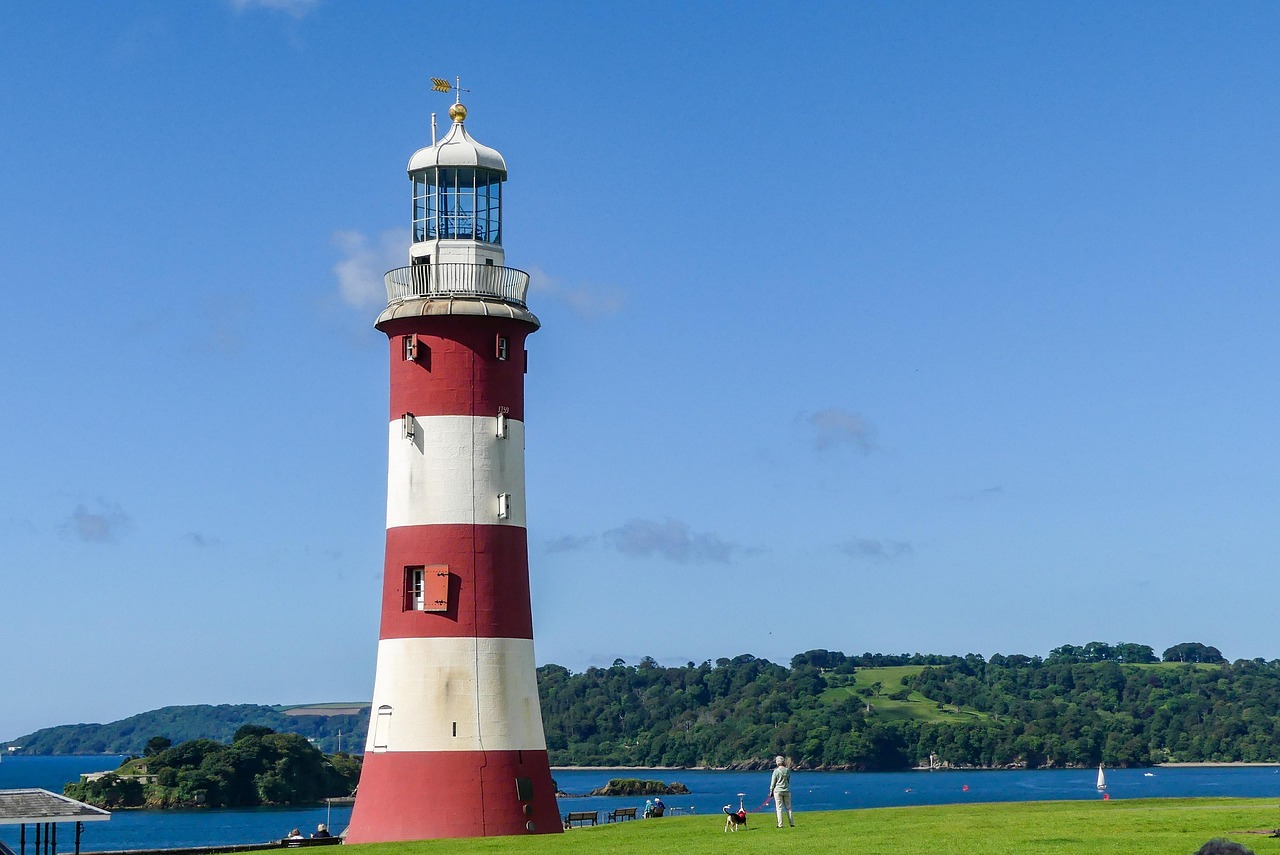
The South West Coast Path in Cornwall is not a gentle walk. It climbs and falls along the granite cliffs, past coves and headlands, through gorse and heather and wind-bent grass. On a clear day, the sea is a blue so deep it looks painted, and on a gray day, it is a churn of white and slate, and the wind is strong enough to lean against. I walked a section of it in late September, from Pendeen to Zennor, a stretch that passes two lighthouses and a handful of ruined engine houses from the old tin mines.
The lighthouses are the reason I came. There is something about them — their stubbornness, their loneliness, their insistence on being seen — that has always drawn writers and walkers. They are the last inhabited outposts of the coast, the places where the land ends and the sea begins, and the men and women who kept them lived at the edge of both.
Pendeen Lighthouse was built in 1900, a squat granite tower on a headland above the Atlantic. It is automated now, like all the others, but the keeper's cottages are still there, whitewashed and slate-roofed, and you can rent one for a week if you want to know what it was like to live with the sound of the sea in your ears every night. I stood on the cliff below it and watched the light turn, slow and deliberate, and thought about the men who used to wind the clockwork mechanism, trim the wicks, polish the lenses, and keep the whole thing running through storms and fog and the long, dark nights of winter.
The keepers were a special breed. They were paid modestly, lived in isolation, and were expected to be self-sufficient — growing vegetables, keeping livestock, repairing whatever broke. Their families lived with them, and the children were sometimes rowed to school in the nearest village, weather permitting. In the nineteenth century, there were more than a hundred lighthouses around the British coast, and each one had its own routine, its own logbook, its own small dramas.
I stopped at the Zennor Head lighthouse, which is really just a small tower with a light on top, and ate a sandwich on the grass. A few ponies were grazing nearby, and a kestrel was hovering over the cliff. The sea was calm, a rare thing on this coast, and the light was soft and gold. I could see the Scilly Isles on the horizon, faint and blue, and I thought about the ships that have passed this way — fishing boats, cargo ships, emigrant vessels bound for America — and the light that guided them.
Cornwall has always been a place of stories. The Cornish language survived here longer than anywhere else in England, and the old tales — of mermaids, of wrecks, of pirates and smugglers — are still told in the pubs and the village halls. The coast path passes through a landscape that is both beautiful and dangerous, and the two are not separable. The same cliffs that give you the view can kill you if you slip, and the same sea that feeds you can take you.
I walked on, past the old tin mine at Geevor, its engine house silhouetted against the sky, and down into the village of Zennor, where I had a pint at the Tinners Arms and listened to a man talk about his grandfather, who had been a keeper at the Longships lighthouse off Land's End. "He never talked about it much," he said. "It was just a job. But he missed the light when he left. He said he could feel it, even when he was inland. Like a heartbeat."
That is what the coast does. It gets into you. You walk it, and it walks with you, long after you have gone home.
