Harbor Towns
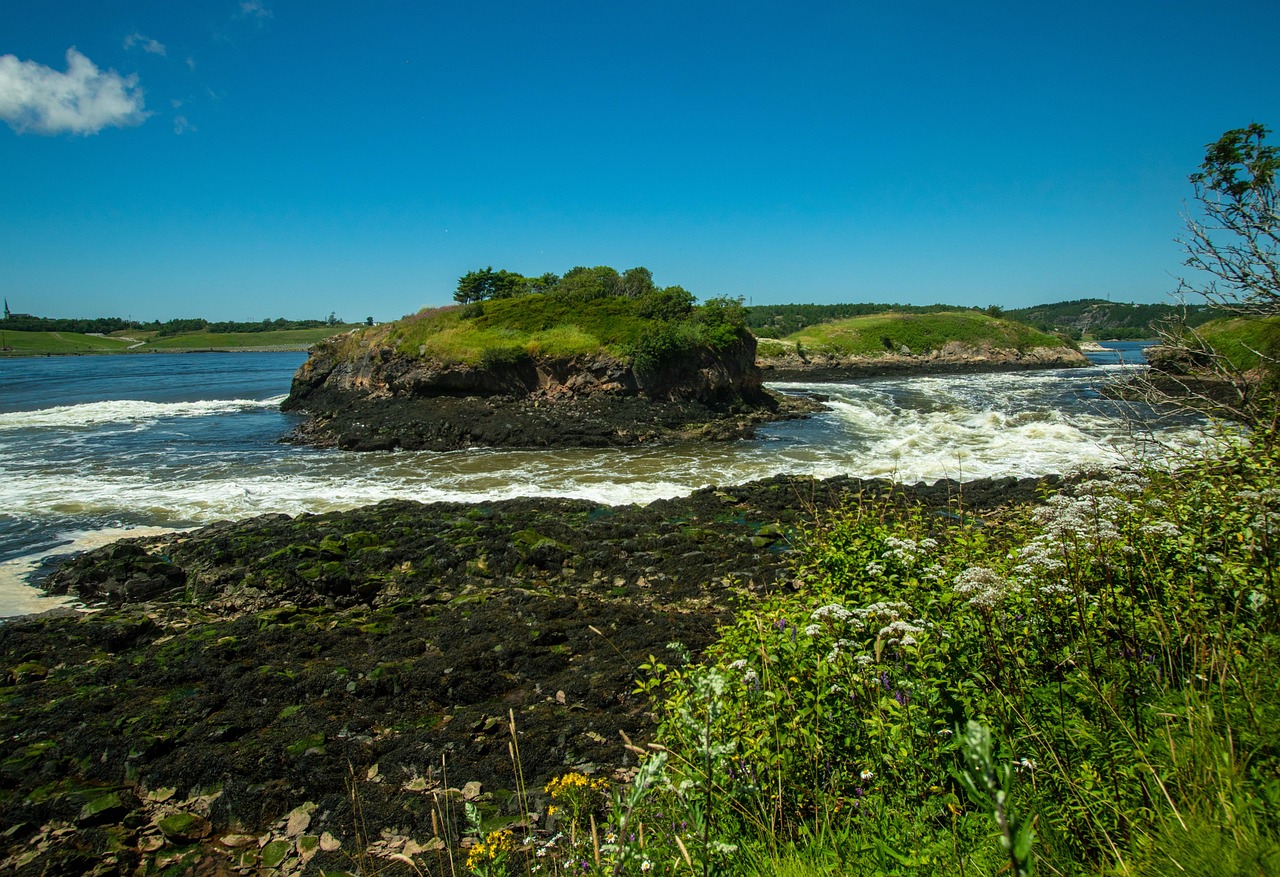
At low tide, the Bay of Fundy empties itself like a lung. The water pulls back so far that boats sit on the mud like stranded toys, and the harbor floor becomes a temporary landscape of red mud, kelp, and the occasional lost boot. Six hours later, the tide returns, and the whole thing fills up again. This happens twice a day, every day, and the towns along the Nova Scotia shore have built their lives around this rhythm.
I came to the Bay of Fundy to write about tides, which is a bit like going to the desert to write about sand. The subject is too large, too obvious. But the small towns—Parrsboro, Advocate Harbour, Digby—offer a different angle. They are places where the tide is not a spectacle but a schedule. The fishing boats go out when the water allows it. The wharves are built on pilings that disappear and reappear with the hours. The whole town is a clock, and the tide is the pendulum.
I spent a morning on the wharf at Advocate Harbour, watching a fisherman named Earl repair a net. He worked slowly, methodically, his hands moving through the mesh like a reader moving through a familiar book. We didn't talk much. The tide was coming in, and the water was rising up the pilings with a patience that felt almost geological. Earl glanced at it every few minutes, not with anxiety but with the kind of attention you give a clock when you have nowhere else to be.
Wharves are places of waiting. They are also places of departure and return, which makes them inherently literary. Every wharf has a story about someone who left and someone who stayed. The Bay of Fundy's wharves are no different, except that the tide makes the waiting more visible. You cannot hurry a harbor that empties itself twice a day.
The tide is a grammar. It has rules, exceptions, and a syntax that the people here learn before they learn to read. High water, low water, slack tide, ebb, flood—these are not just words but conditions. A writer friend of mine once said that the Bay of Fundy taught her how to write endings. You cannot force one. You have to wait for the water to go out on its own.
I left the bay with a new appreciation for patience. The tide does not care about your deadlines. It does not care about your word count. It simply does what it has always done, and the towns along its shore have learned to do the same. That is not resignation. It is a kind of wisdom, and it is written in the mud and the water and the slow, steady breathing of the bay.
