Literary Pilgrimages
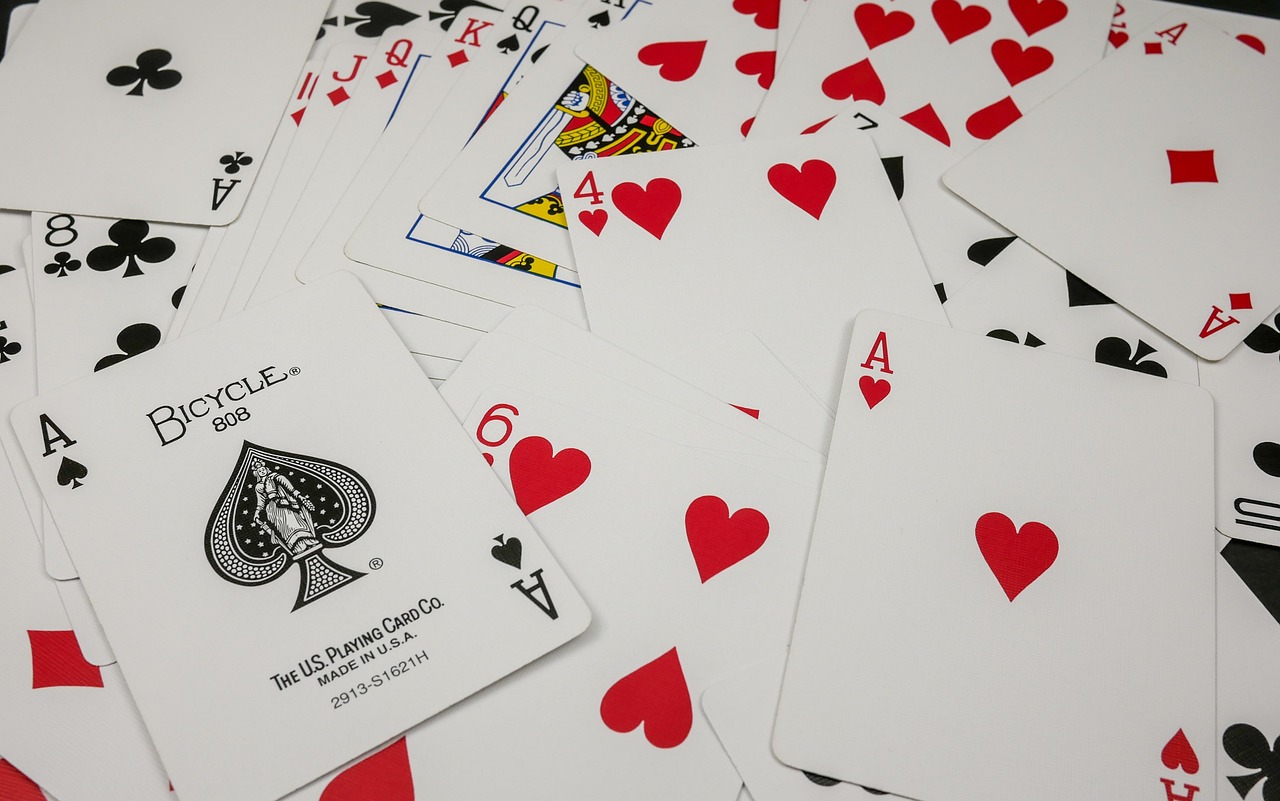
You’ve felt it: the adrenaline spike when the dealer flips an ace, the hypnotic spin of a slot reel, the gut-wrenching beat when your straight flush loses to a full house. iGaming isn’t just about luck—it’s a mental sport where preparation, discipline, and a dash of psychology separate the tourists from the sharks. Whether you’re spinning slots at 3 a.m. or grinding a poker tournament on a Sunday afternoon, this guide will give you concrete tools to sharpen your edge. No fluff, no get-rich-quick nonsense—just hard-won insights from someone who’s been in the trenches.
Most players treat slots like a lottery ticket. They pick a machine because it looks “hot” or has a catchy theme. That’s a recipe for donating your bankroll. Slots are driven by a Random Number Generator (RNG) that churns out thousands of outcomes per second. The only thing you can control is which machine you play and how much you bet per spin. Here’s how to tip the odds slightly in your favor:
One more thing: ignore “due for a win” theories. Each spin is independent. The machine doesn’t remember your last 20 losses. That said, progressive jackpots (like Mega Moolah) are worth a punt if the jackpot is unusually high—just treat it as a lottery ticket, not a strategy.
If slots are checkers, poker is chess. You’re not playing against the house—you’re playing against other humans. The house takes a rake, but a skilled player can consistently profit. The key? Position, patience, and aggression in the right doses.
New players play too many hands. In a 6-max cash game, you should voluntarily put money in the pot (VPIP) roughly 20–25% of the time. That means folding hands like KJo from early position. Why? Because if you play trash, you’ll be dominated by better kickers. Tighten up, then punish limpers with a raise when you’re on the button. Before making a choice, it helps to review สล็อตเว็บตรง.
Bluffing isn’t about random aggression; it’s about telling a consistent story. If the board reads A-K-7 rainbow and you raised preflop, a continuation bet on the flop works because you represent the ace. But if you get called, shut down on the turn unless you improve. Most low-stakes players call too much, so value bet your strong hands and bluff only against thinking opponents.
Sports betting isn’t about picking winners—it’s about finding value. A team can win 70% of the time, but if the odds imply they win 80%, betting on them is a losing proposition long-term. The bookmaker builds in a margin (vigorish), usually 4–5% on each side of a bet. To beat that, you need to identify lines that are mispriced.
Line shopping means checking odds at multiple sportsbooks before placing a bet. A half-point difference in NFL spreads can swing your ROI by 20% over a season. The best bettors have accounts at 5+ books. Closing Line Value (CLV) is the gold standard: if you consistently bet at better odds than the closing line (the final odds before game start), you’re likely a long-term winner.
One underrated tip: bet against the public in NFL and NBA. When 80% of money is on the Cowboys, the line moves, but often the sharp side is the opposite. Not always—but it’s a starting point for finding contrarian value.
You can be the best poker player or slots strategist in the world, but without bankroll management, you’ll go broke. The core principle is simple: never bet money you can’t afford to lose, and never risk more than 5% of your bankroll on a single event. Here’s a concrete breakdown for different games:
Also, separate your iGaming bankroll from your rent money. Use a dedicated e-wallet or prepaid card. This mental separation stops you from chasing losses with grocery money.
Tilt is the silent killer. It’s that irrational rage after a bad beat—the slot that ate 200 spins, the poker river that crushed your set, the sports bet that lost on a last-second Hail Mary. When you’re tilted, you make bigger bets, play worse hands, and ignore your strategy. The fix is not about willpower; it’s about pre-commitment.
Remember: even the best players lose 40% of their sessions. Variance is part of the game. The goal is to make +EV decisions repeatedly, not to win every time.
iGaming offers endless entertainment, but the real thrill comes from improving your game. Slots are about choosing the right machine and managing your spins. Poker is about exploiting weak opponents and controlling your emotions. Sports betting is about finding value and ignoring your biases. None of this guarantees a profit—the house always has an edge—but it shifts the odds in your favor. So the next time you log in, don’t just click and hope. Check the RTP, scout the table, shop the line. Treat it like a skill, not a lottery. Your bankroll will thank you.
